






Why shouldn't our cold storage facility be "environmentally friendly"?
Cold storage facilities are designed to preserve food, medicine, blood, films, and other products by maintaining quality and extending shelf life. All operations must be carried out properly and correctly by adequately trained personnel, ensuring the safety of construction, facilities and machinery, stored goods, workers, customers, and visitors.
The primary operating expense for cold storage facilities is energy bills. Therefore, adopting an "energy saving culture" at every level of cold storage operation is essential.
It is a good practice to choose the early morning hours to store fresh produce arriving at outside temperatures, taking advantage of the effect of the cool night air.
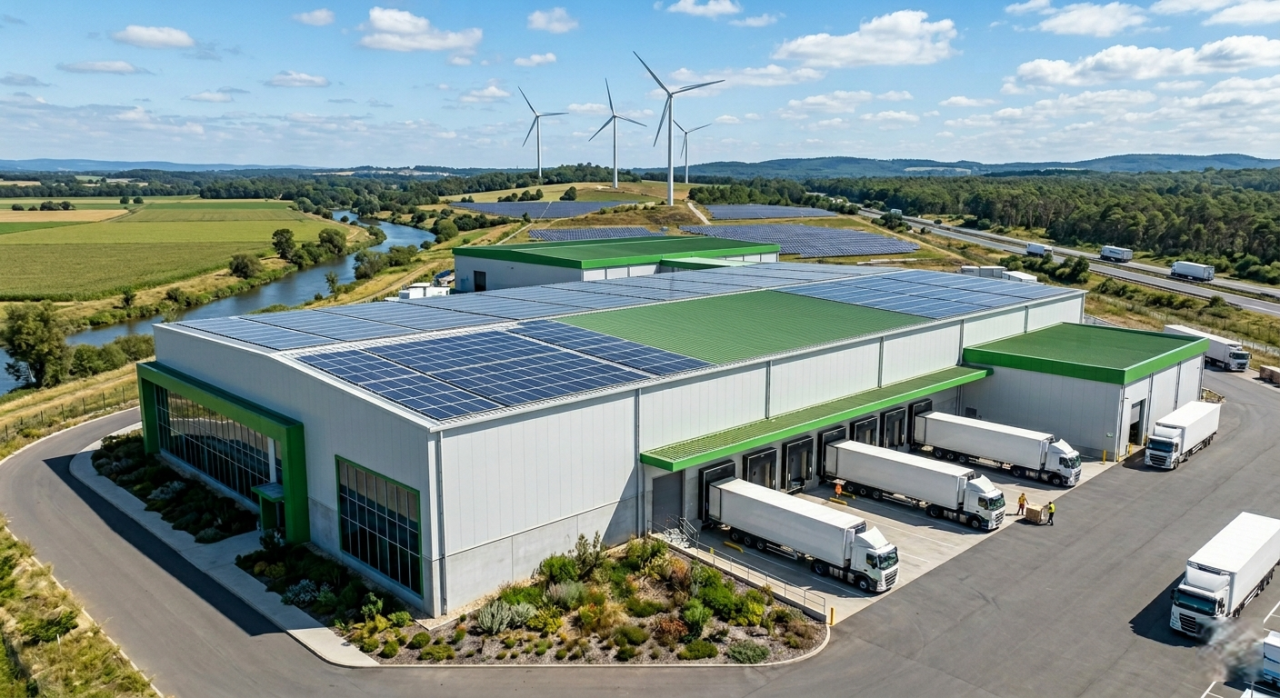
Today, the concept of a 'Green Project' is attracting the attention of organizers, designers, engineers, and managers worldwide. Therefore, the goal should be to implement the concept of 'Green Cold Storage Facilities,' utilizing robust and reliable technologies with high energy efficiency.
Key Considerations for Energy Efficiency in Cold Storage Facilities
To ensure robust, reliable, and energy-efficient operation in cold storage facilities, several important considerations are outlined below:
- Building designs should have a minimum external surface area/volume ratio.
- Building designs should minimize solar heat gain. Planting trees on the west and south facades to create shade can be beneficial. To reduce cooling load due to air leakage (heat infiltration), doors should be placed on the shaded facades of the warehouses, away from drafts.
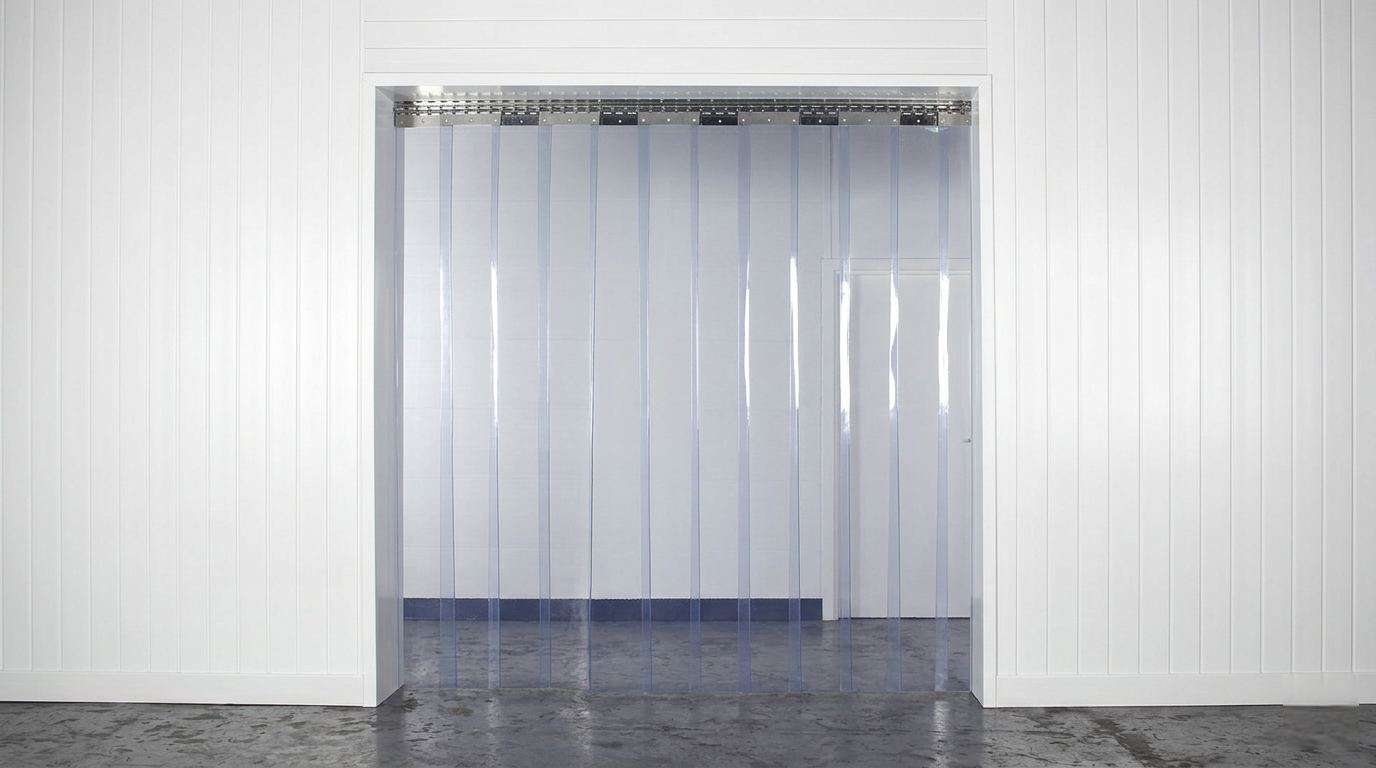
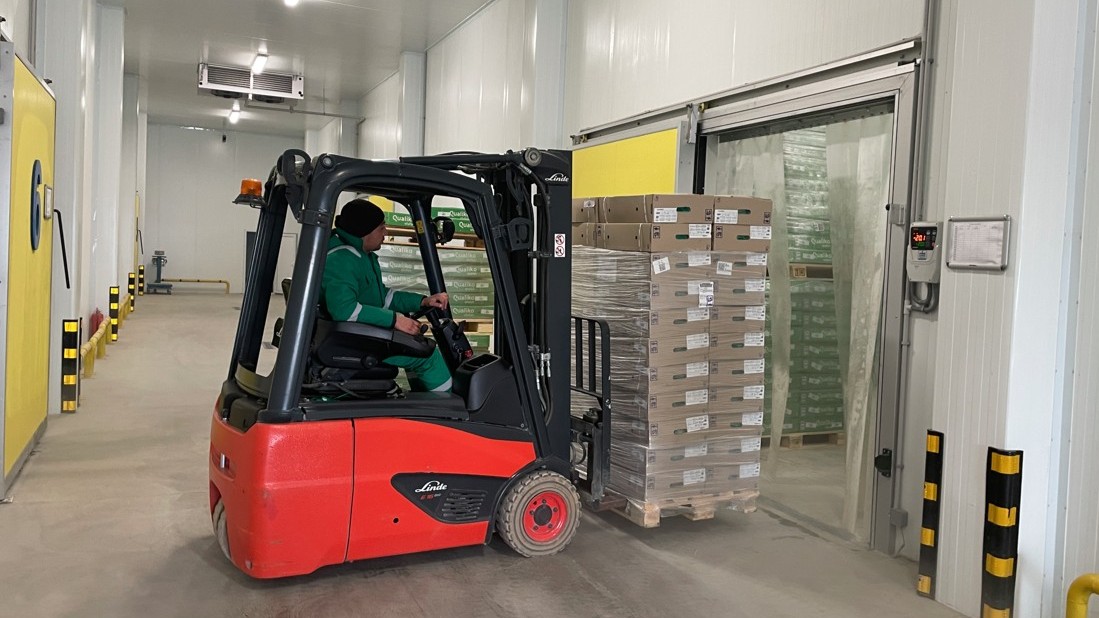
- Using flexible plastic strip curtains is recommended to reduce air passage through doors.
- Well-designed thermal insulation with vapor barriers should be applied to cold rooms, pipes, and accumulators to ensure minimum heat and vapor transfer.
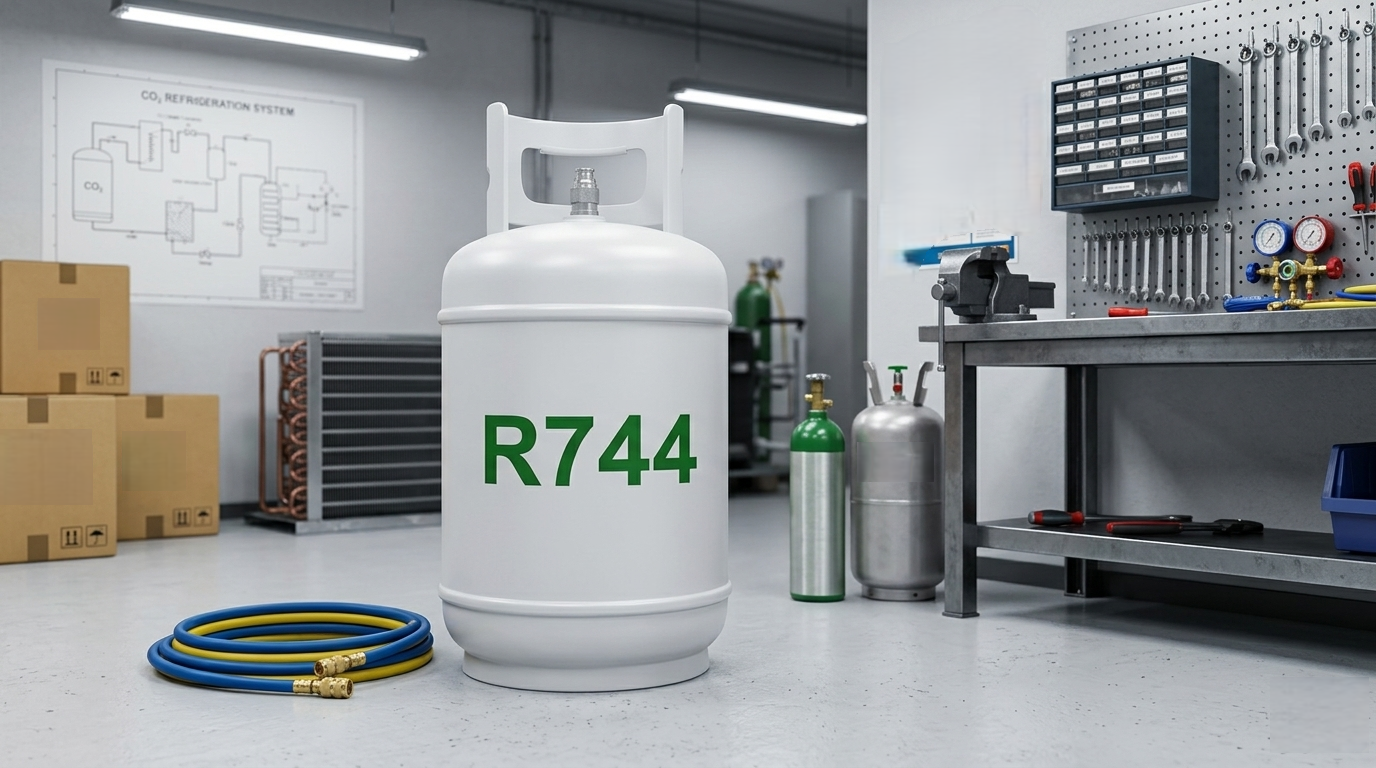
- Cooling systems should use environmentally friendly refrigerants with zero Ozone Depletion Potential (ODP) and low Global Warming Value (GWP).
- Rainwater harvesting systems should be installed, and recycled water use practices should be implemented for condensers/cooling towers where possible.
- The cooling system should be designed to provide the best possible energy efficiency. Compressors should have capacity control. To ensure optimum efficiency, compressors that can operate efficiently even at partial loads should be preferred.
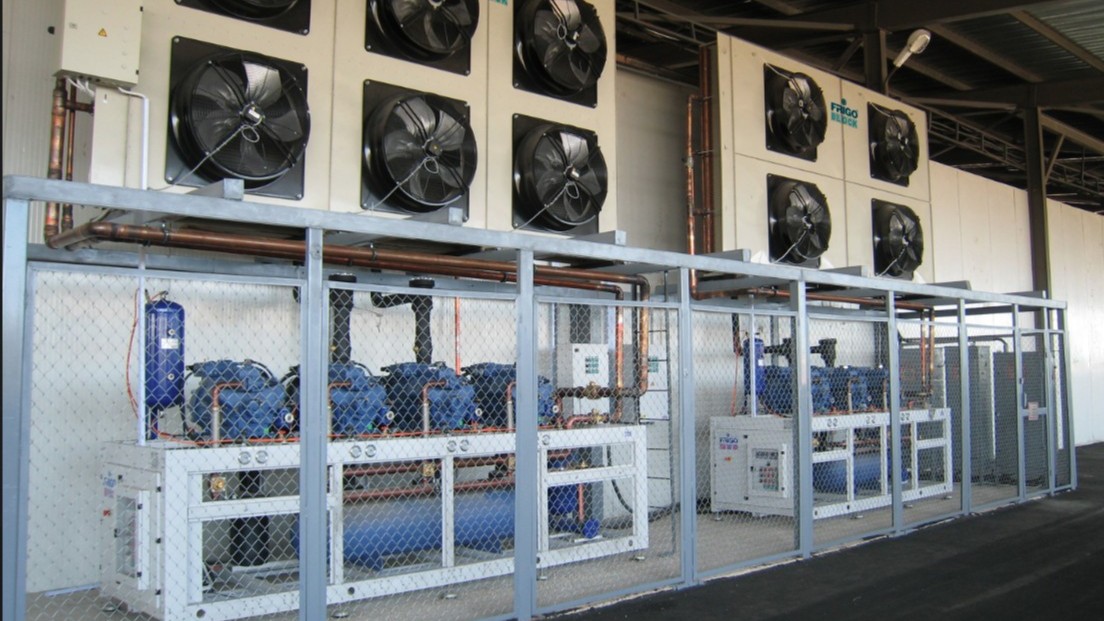
- To reduce energy consumption, systems using HFCs should utilize adiabatically pre-cooled air for air-cooled condensers and evaporative condensers for ammonia-based systems. Evaporator fans should be energy-efficient. Variable Frequency Devices (VFDs) are recommended for fan and pump motors.
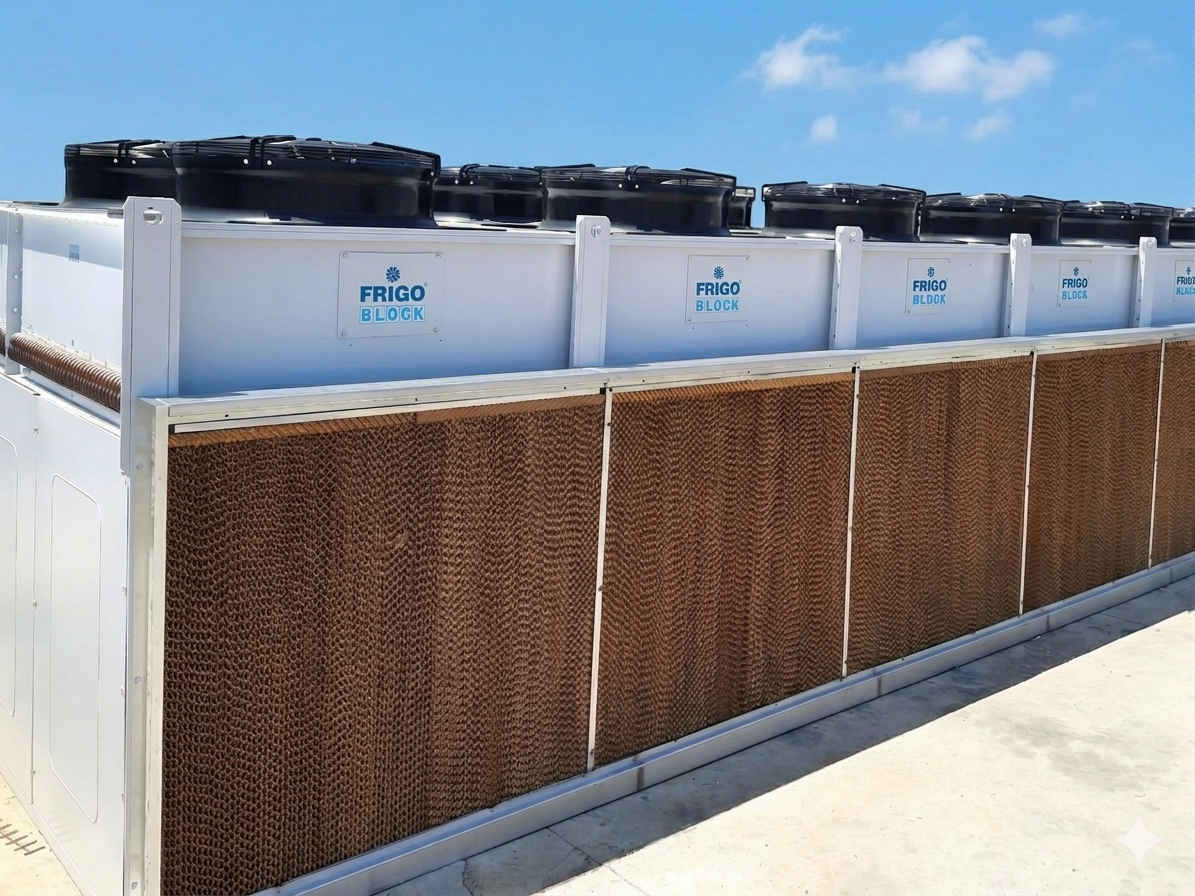
- Waste heat recovery applications should be implemented to produce hot water if it can be used profitably.
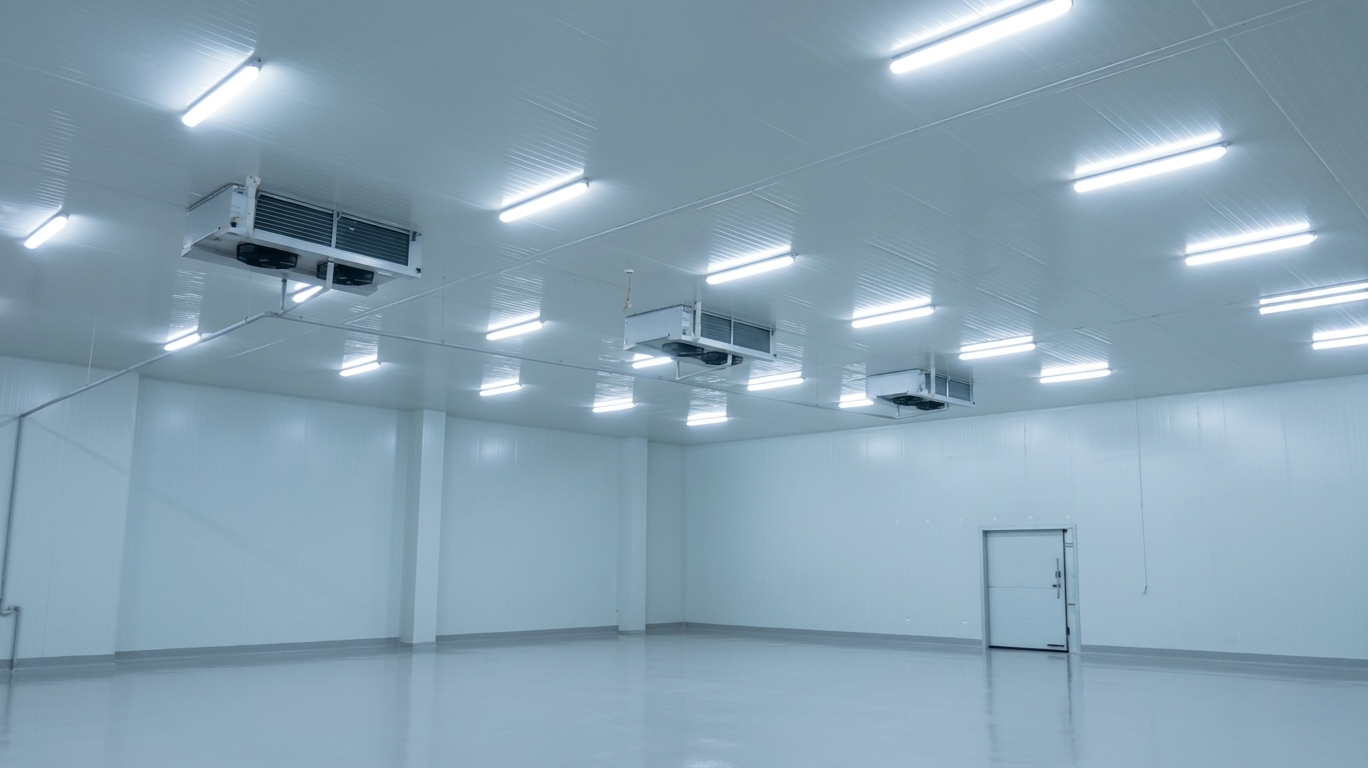
- Energy-efficient lighting should be preferred in cold rooms, meaning using lamps that provide the same illumination but consume less energy. Emergency lighting and alarms must be installed.
- The use of renewable energy systems, such as solar photovoltaic lighting, should be recommended.
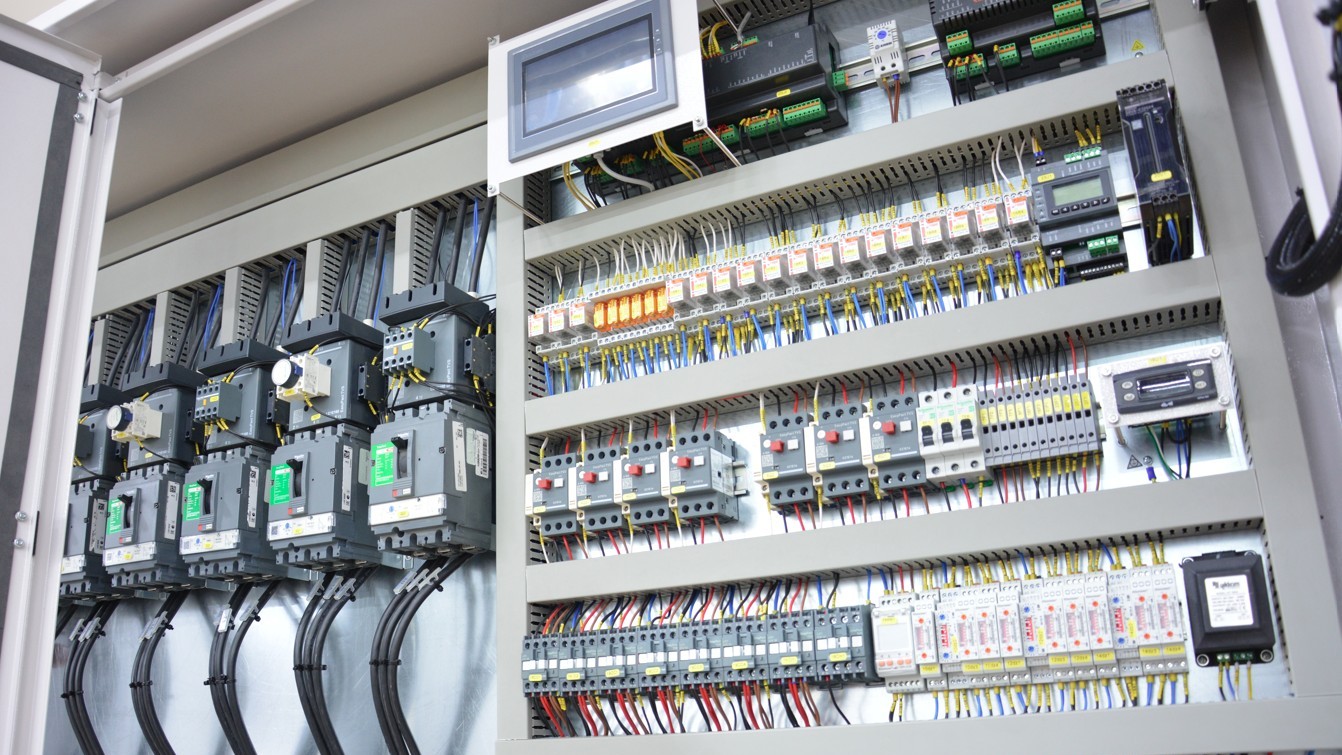
- The system must be equipped with adequate control systems that regulate temperature and capacity, as well as the refrigerant flow rate.
- Facility design should facilitate safe and efficient loading/unloading and stacking practices, taking into account the safety of personnel and stored goods.
Source: Fundamentals of Cold Storage, Arvind Surange, Translated by Prof. Dr. Ayhan Onat, Assoc. Prof. Dr. Deniz Yılmaz, Dr. Kadir İsa, Pages 65-66
